The 2022 eruption of the Mauna Loa volcano cut off road access to the Mauna Loa Baseline Observatory. Construction on the temporary Mauna Loa Access road was completed on 26 March, 2026.
At this time, there is no site access for the general public to the Mauna Loa Observatory and NOAA has not yet established a public opening date. GML and scientific partners are working together to bring mission critical scientific projects back online. It is still unclear when utility infrastructure will be replaced and power re-established to the site.
We will provide another update as more information becomes available.
Media contact: Theo Stein at (303) 819-7409 or theo.stein@noaa.gov.
Organization(s):
 US Environmental Protection Agency (EPA) / National Exposure Research Laboratories (NERL) / Human Exposure and Atmospheric Sciences Division (HEASD)
What does this program measure?
How does this program work?
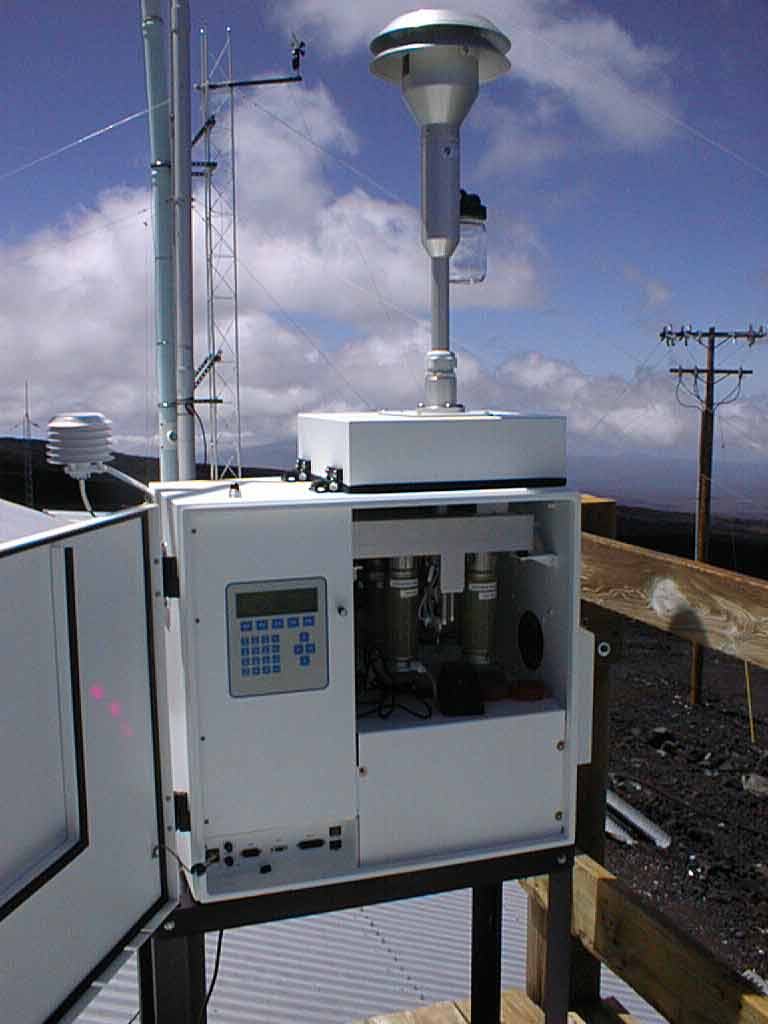
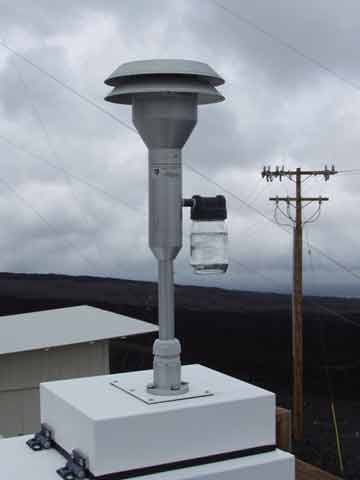
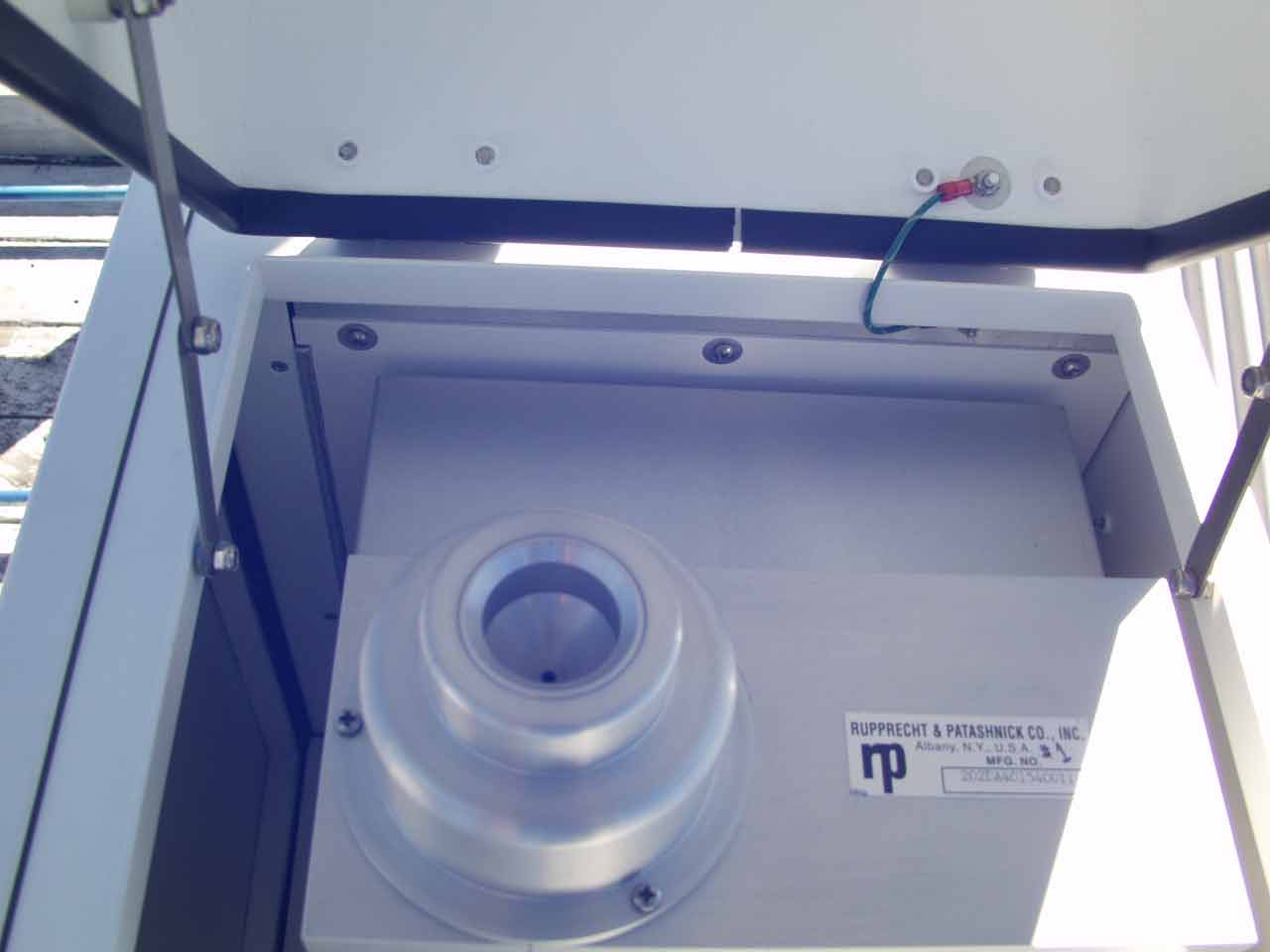
EPA-approved 47 mm Teflon filters with unique identification numbers stamped on the polypropylene support ring and Teflon filters are weighed, handled, and deployed in accordance with the EPA PM 2.5 Chemical Speciation Network. This project involves a Rupprecht & Patashnik (R&P) Dichotomous Partisol-Plus Model 2025 automated sequential dichotomous sampler collection system, that is capable of collecting a minimum of seven days of particulate samples without operator assistance. Sampling only occurs, however, during down slope wind conditions at MLO.
Why is this research important?
The objectives are to accumulate a long-term record of fine (<2.5 µm) and coarse (2.5 – 10 µm) particulate chemistry to support receptor-modeling analysis of source-receptor relationships for mercury.
Are there any trends in the data?
How does this program fit into the big picture?
What is it's role in global climate change?
Comments and References
Lead Investigator(s):
Dr Matthew S. Landis
919-541-4841
MLO Contact(s):
Aidan Colton
808-933-6965 (x233)
Darryl Kuniyuki
808-933-6965 (x236)
Web Site(s)
Date Started
August 23, 2001
Related Programs
EPA Aethalometer
EPA Mercury Monitoring
EPA Mercury Precipitation
EPA Ambient Ion Monitor
EPA Sequential Fine Particle
EPA Sulfur Dioxoide
EPA Surface Ozone
Photographs: